%2Ffit-in%2F250x250%2Fguide_websites%2F20725%2Fimages%2F1737636397292image-2025-01-23t204620.467.png&w=1920&q=100)
/users/29be6dad-9dff-4a90-8e60-bfe903eef72e/ratecard/image-2025-01-23t193249.631.png)
%2F300x300%2Fusers%2F29be6dad-9dff-4a90-8e60-bfe903eef72e%2Fratecard%2Fimage-2025-01-23t193249.631.png&w=256&q=75)
%2F300x300%2Fusers%2F29be6dad-9dff-4a90-8e60-bfe903eef72e%2Fimages%2Ffishing-adventure-in-fl-2569.jpg&w=256&q=75)
%2F300x300%2Fusers%2F29be6dad-9dff-4a90-8e60-bfe903eef72e%2Fimages%2Fmutton-snapper-islamorada-fishing-2715.jpg&w=256&q=75)
%2F300x300%2Fusers%2F29be6dad-9dff-4a90-8e60-bfe903eef72e%2Fimages%2Fanglers-land-impressive-catch-islamorada-2650.jpg&w=256&q=75)
%2F300x300%2Fusers%2F29be6dad-9dff-4a90-8e60-bfe903eef72e%2Fimages%2Ffishing-trip-islamorada-2731.jpg&w=256&q=75)
%2F300x300%2Fusers%2F29be6dad-9dff-4a90-8e60-bfe903eef72e%2Fimages%2Fmutton-snapper-caught-fl-2628.jpg&w=256&q=75)
%2F300x300%2Fusers%2F29be6dad-9dff-4a90-8e60-bfe903eef72e%2Fimages%2Ftwo-big-fish-caught-fl-2574.png&w=256&q=75)
%2F300x300%2Fusers%2F29be6dad-9dff-4a90-8e60-bfe903eef72e%2Fimages%2Fislamorada-fishing-adventure-2383.png&w=256&q=75)
%2F300x300%2Fusers%2F29be6dad-9dff-4a90-8e60-bfe903eef72e%2Fimages%2Fanglers-enjoy-great-fishing-florida-2316.png&w=256&q=75)
%2F300x300%2Fusers%2F29be6dad-9dff-4a90-8e60-bfe903eef72e%2Fimages%2Ffishing-islamorada-sunset-2375.png&w=256&q=75)
%2F300x300%2Fusers%2F29be6dad-9dff-4a90-8e60-bfe903eef72e%2Fimages%2Ffantastic-fishing-islamorada-2559.png&w=256&q=75)
Elite 8-Hour Offshore Adventure with Kekoa

 Islamorada, FL
What you will be catching:
 Atlantic Sailfish
 Blue Marlin
 Mahi Mahi or Common Dolphinfish
- 8-hour private charter targeting sailfish, marlin, mahi-mahi, and tuna
- All fishing equipment provided with experienced local captains
- Accommodates up to 6 guests for offshore deep sea fishing
Trip Pricing and Availabilities:
Full Day Sailfish & Marlin Chase in Islamorada
Get ready for the offshore fishing adventure of a lifetime with Kekoa Charters in Islamorada, FL. We're talking about a full 8 hours of chasing some of the most sought-after game fish in the Atlantic. Whether you're a seasoned angler or it's your first time holding a rod, our experienced crew will put you on the fish and show you the ropes. We're heading to the deep blue waters where sailfish slice through the waves and marlin put on acrobatic displays that'll have your heart racing. Pack your sunscreen and get ready to make some serious fishing memories!
What to Expect on the Water
Our day starts early, meeting at the dock as the sun's just peeking over the horizon. We'll load up the boat with everything you need – rods, reels, bait, and enough ice to keep your catch fresh. As we head out, you'll feel the excitement build with every mile we put between us and shore. The beauty of fishing in Islamorada is that the deep water is close – we'll be in prime fishing grounds before you know it. Our captains know these waters like the back of their hand, and they're always on top of where the fish are biting. We'll set up our spread, and then it's game on. You might be trolling for billfish one minute and throwing live bait to a school of mahi the next. It's non-stop action, and we'll be right there to help you land that trophy fish.
Top Catches This Season
Fishing in Islamorada is all about variety and big game. We're talking about battles that'll test your strength and skill. Our go-to techniques include trolling with ballyhoo and artificial lures, live baiting, and kite fishing when the conditions are right. We'll rig up some circle hooks to make sure those billfish stay healthy for a quick release. For the mahi and tuna, we might switch to spinning gear and chunk bait. The key is staying flexible – fish don't read the rulebook, so we adapt our tactics to what's working on any given day. Don't worry if you're new to this; we'll walk you through each technique and make sure you're comfortable before we hand over the rod.
Why Anglers Keep Coming Back
"They know where the fish are and how to hook em! I've never seen a captain or a mate work so hard to ensure that we got fish! You can tell these guys are locals as they know exactly where to go and what's needed to get fish in the box, I'd absolutely recommend these guys if you want results!" - Ben
Species You'll Want to Hook
Atlantic Sailfish: These are the speed demons of the ocean, capable of reaching speeds up to 68 mph. Sailfish are known for their stunning dorsal fin that stretches nearly the length of their body – it's a sight to behold when they're lit up and chasing bait. In Islamorada, we see them year-round, but the peak season is from November to May. When you're hooked up, be ready for some serious acrobatics – these fish love to jump and put on a show. The average size here is about 6-7 feet long, weighing 60-80 pounds, but we occasionally see monsters pushing 100 pounds or more.
Blue Marlin: Now we're talking about the heavyweight champion of the offshore world. Blue marlin are the stuff of fishing legends, and for good reason. These fish can grow to over 1,000 pounds, though in our waters, we typically see them in the 200-400 pound range. They're less common than sailfish, which makes landing one even more special. Blue marlin are known for their incredible strength and endurance – a fight can last hours. When you see that massive bill break the surface, trust me, it's a moment you'll never forget. Peak season for blues is typically June through October.
Mahi Mahi (Dolphinfish): These are the perfect fish for anglers of all levels. Mahi are absolutely beautiful, with vibrant blues, greens, and yellows that seem to glow in the water. They're also delicious, making them a favorite for the dinner table. We find mahi year-round in Islamorada, but they're especially abundant from April to September. They often travel in schools, so when we find them, the action can be fast and furious. Mahi range from 5-30 pounds typically, with some bulls (males) reaching 50 pounds or more. They're known for their acrobatic fights and their tendency to make blistering runs right after being hooked.
Time to Book Your Spot
Look, if you're itching for some world-class offshore fishing, Islamorada is the place to be, and Kekoa Charters is your ticket to the action. We've got the knowledge, the gear, and the passion to make sure your day on the water is one for the books. Whether you're dreaming of that sailfish release, the marlin of a lifetime, or a cooler full of mahi, we've got you covered. Don't let another fishing season pass you by – give us a call and let's get your adventure on the calendar. The fish are out there, and they're waiting for you. See you on the water!
Customer Review
Fish Finders Deluxe

Ben Tedesco
November 11, 2024
Learn more about the species
Atlantic Sailfish
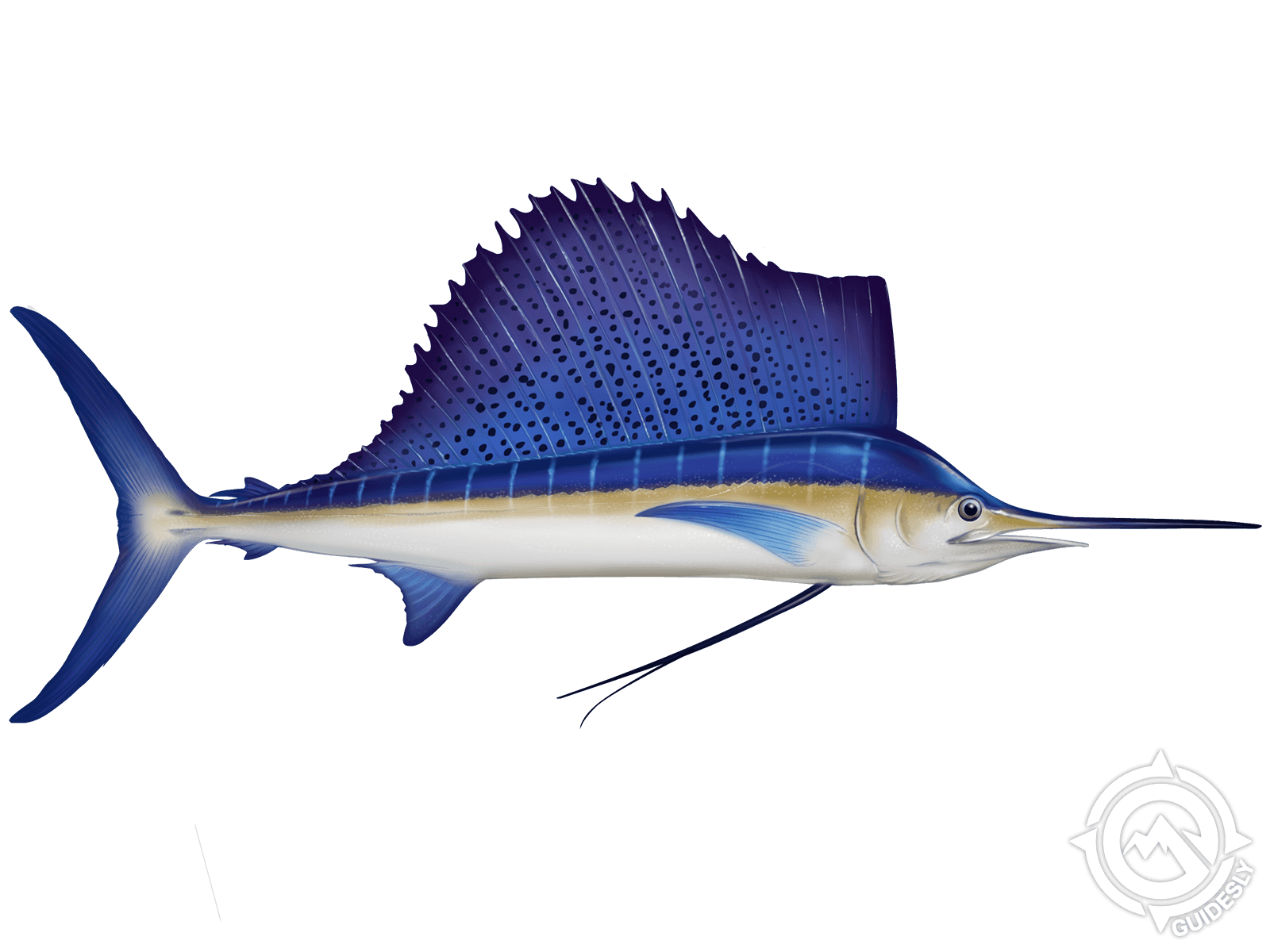
Atlantic Sailfish (Istiophorus albicans) Fish Description
The Atlantic Sailfish is one of the most popular saltwater gamefish. It has a blue to gray metallic color with a majestic sail-like dorsal fin (which is why it’s called a sailfish) and like other marlins, it has a billed-snout. They are a close relative of the swordfish and barracudas. The Atlantic sailfish is a carnivorous species that likes to hunt school of fishes like sardines, anchovies, and mackerel. They’re also known to prey on squid and crustaceans.
Interesting Facts About the Atlantic Sailfish
- Considered to be the fastest fish in the world but a lot of scientists disclaimed the 68 mph speed since it was recorded when it was leaping out of the water. Regardless of the varying findings of their speed, they’re still one of the fastest fish in the world.
- Sailfish usually group and form schools, especially juveniles They can be seen hunting together to eat balls of baitfish. Sometimes they also hunt alone, mostly observed by adults.
- These fish have a special nervous system to change their colors. They use this to communicate with other sailfish when they hunt. They can change from blue, black, and stripes. It’s also been observed that they use their huge dorsal fins to herd baitfishes.
Size and Speed
The Atlantic sailfish is a large fish that can grow up to 10 feet long. Despite their vast length, they’re pretty light for their size (they need to maintain this lightweight to help them preserve their speed ). The biggest Atlantic sailfish ever caught was 142 pounds. Their average length is 7.5 feet and weighs about 50 lbs.
The speed of the Atlantic sailfish is still being debated, some scientists estimated it to be at 68 mph. Recent studies claim that it’s only 22 to 34 mph.
Habitat and Distribution
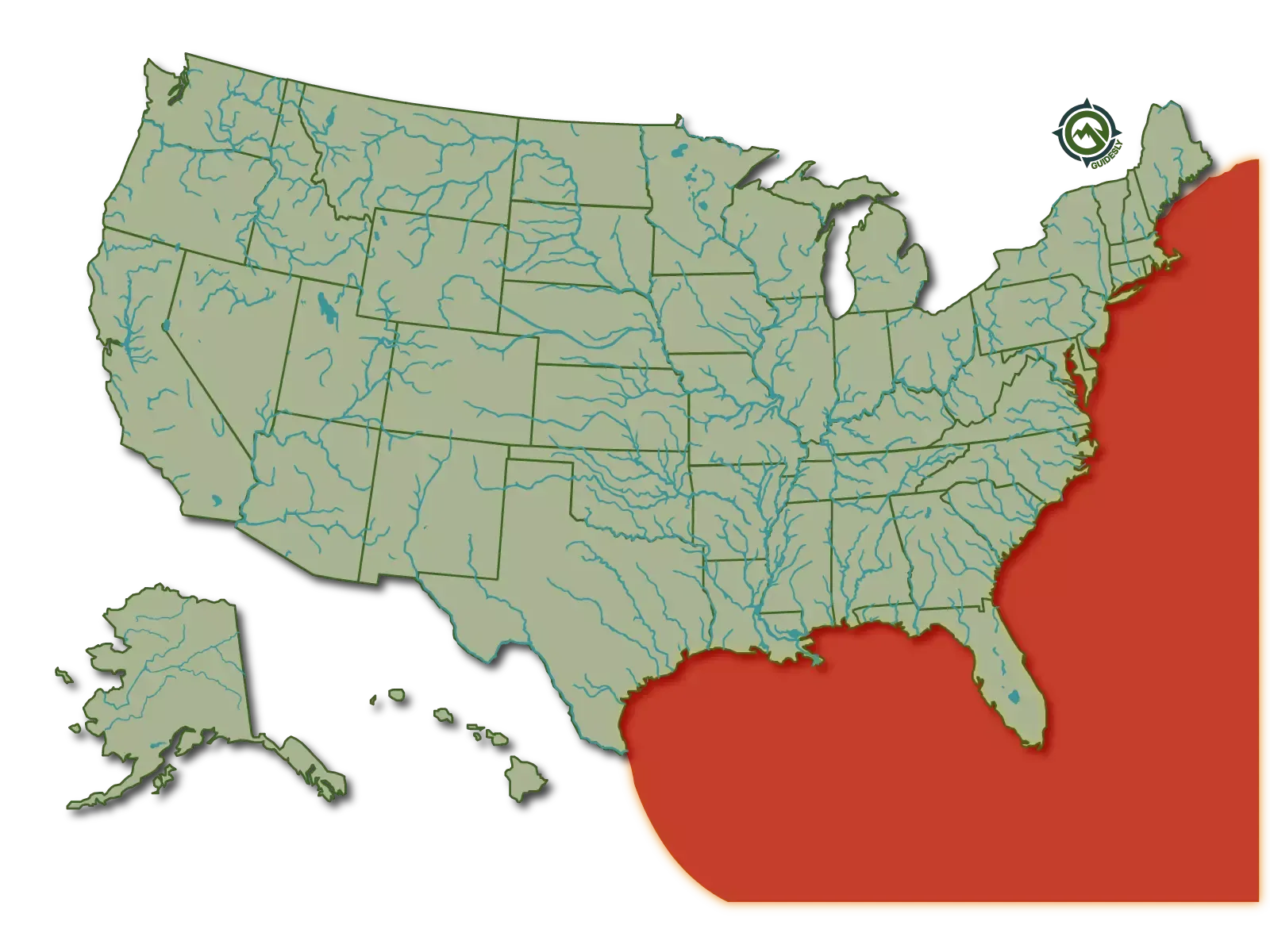
The Atlantic sailfish are epipelagic fish that prefers warm tropical waters with temperatures between 70° to 83°F. They can be seen in coastal areas and nearshore waters. They usually swim near the surface around 30 to 65 feet but they can hunt in deep waters with depths of up to 650 feet.
The Atlantic Sailfish is a highly migratory species that varies depending on the temperature. They migrate by following where the warmer areas are in the western to the eastern Atlantic Ocean. Their spawning season is usually in summer but can be as early as April.
The best fishing spot for the Atlantic sailfish is during the winter in the Florida Key. There is also a popular spot where anglers can catch Atlantic sailfish throughout the year, it’s called the Sailfish Alley in South Florida. The region is between North Miami Beach and Fort Pierce.
How to Catch the Atlantic Sailfish
The Atlantic sailfish are highly sought after game fish by anglers because of the way they battle. They are strong and have long endurance, they’re also known to repeatedly dive and leap out of the water during a fight. Remember to preserve your strength when catching this fish. Set up your gear to sink depths of 30-65, let your boat run slowly to let your leader swim freely. Tease the fish a bit and when the sailfish takes the bite, make your grip firm as it will immediately try to shake it off first. Wait for the fish to run before you try to pull.
Here are some of the recommended fly fishing equipment for the Atlantic sailfish. Use a 12-15 weight rod with 50-pound arbor reels. Use heavy sinking heads to help you get to a nice depth, a nice line length would be 65 to 80 feet. For the leader, Use large 5/0 to 7/0 hooks
Recommended flies for the Atlantic sailfish are tube flies and popper heads. The most effective color for this fish is bright pink and white, blue and white color combination is also said to be effective. For baits, you can use squids, mackerels, or slice tuna.
Blue Marlin
Blue Marlin (Makaira nigricans) Fish Description
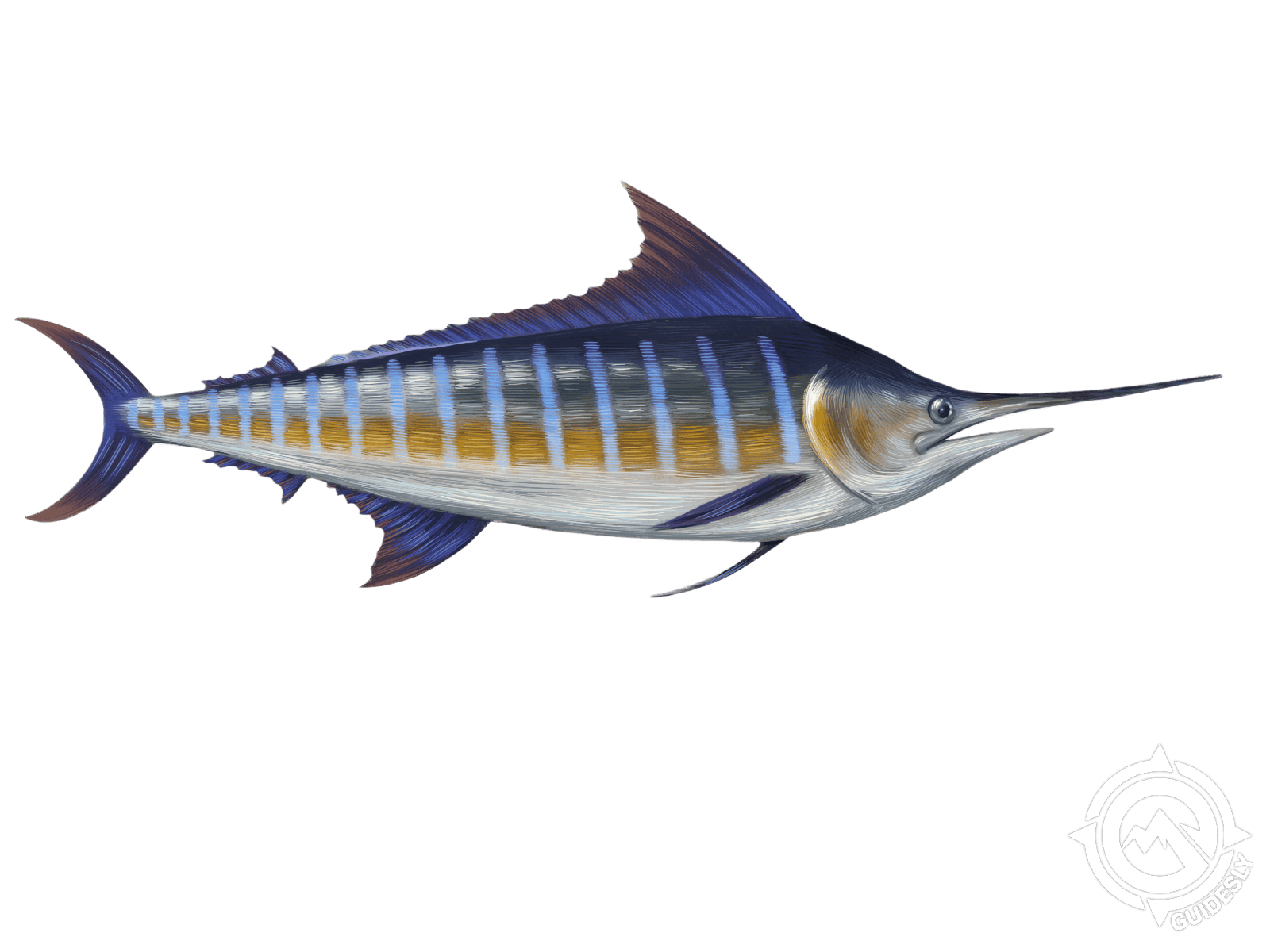
The Blue Marlin may look slightly similar to the White Marlin but there are clear cut differences. The first most noticeable difference would be the dorsal fin wherein the Blue Marlin’s never exceeds the maximum body depth. Another difference for the Blue Marlin is its pectoral fins which are foldable. Unlike the others, the Blue Marlin also has a cylindrical body.
The Blue Marlin also has a dark cobalt dorsal side which slowly blends with the silvery-white underbelly. It also has several bars that are cobalt and pale-colored that decorate the rest of its body. Blue Marlins also have the ability to change their skin color. Their bodies, like other billfish, are covered by iridophores which allow them to reflect the light to change the color of their skin.
As a billfish, Blue Marlins have a long spear-like snout which serves as their weapon for finding more fish.
Blue Marlin Diet
Young Blue Marlin eat zooplankton but can sometimes eat fish eggs that drift by. However, as they grow older, Blue Marlins start feeding on larger fish. They eat Mackerel, Bullet Tuna and, Skipjack Tuna which serve as a big portion of their diet. Once Blue Marlins reach an optimum size, they are also reported to hunt down Yellowfin Tuna and Big Eye Tuna.
Blue Marlin Size
Interestingly, female Blue Marlins are four times bigger than male Blue Marlin. Female Blue Marlins can weigh 1190 to 1810 lbs and can reach a maximum length of 16 ft. Male Blue Marlins rarely exceed 350 lbs.
Interesting Facts about the Blue Marlin
- Blue Marlins are considered the biggest among all the Billfish species.
- Blue Marlins caught past 1000 lbs are called granders.
- In terms of lifespan, female Blue Marlins live longer than males. Female Blue Marlins can live up to 27 years while males only live up to 18 years.
- When they reach maturity, they become less of a target. However, the Blue Marlins can still be hunted down by the Great White Shark.
- Blue Marlins are migratory fish.
- Their path usually leads them to move tangent to the equator.
- Some people are afraid of eating Blue Marlin due to the high levels of Mercury in its meat.
Blue Marlin – Fishing Techniques: How to Fish for a Blue Marlin
Because they’re bigger, Blue Marlins are more prone to fatigue. However, Blue Marlins are known for their amazing acrobatics, their aggressive fighting spirits, and their powerful attacks.
Since they have a preference for warmer waters, Blue Marlins are best found near Hawaii, Panama, or Mexico. Depending on where you are, sometimes – Blue Marlins can be fished all year round being accompanied by their Black cousin. However, the size of the Blue Marlin will depend on your area.
As for the lure, there are a variety of lures you can use via trolling. In Kona, Hawaii, they developed a way on how to troll the Blue Marlin with an artificial lure. But that doesn’t mean live bait isn’t useful. As an apex predator, Blue Marlins love it if their prey puts up a fight.
For your equipment, make sure it's high, industrial grade. These are powerful, heavy fish. They can break your equipment if you’re not careful.
Blue Marlin Habitat and Distribution
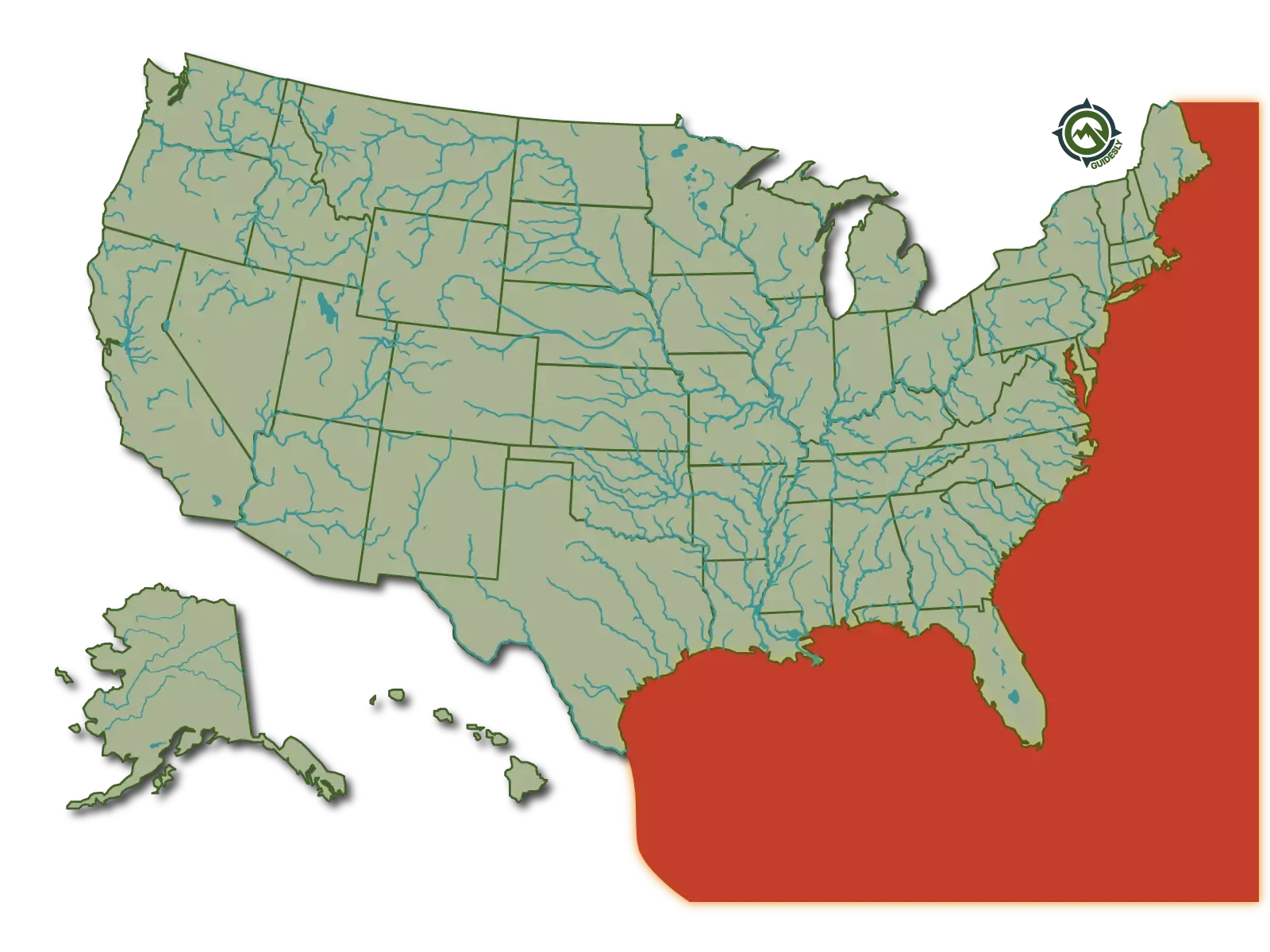
Blue Marlin are migratory fish so you’ll have to run along the equator to find them. They’re usually found swimming across the waters running along the equator. They usually lurk in the Pacific, Atlantic, and Indian oceans especially when the waters are warmer. However, Blue Marlins seem to be available near the Gulf of Mexico all year round. Some also say that Blue Marlins are best caught in Kona, Hawaii.
Mahi Mahi or Common Dolphinfish
Mahi Mahi or Common Dolphinfish (Coryphaena hippurus) Fish Description
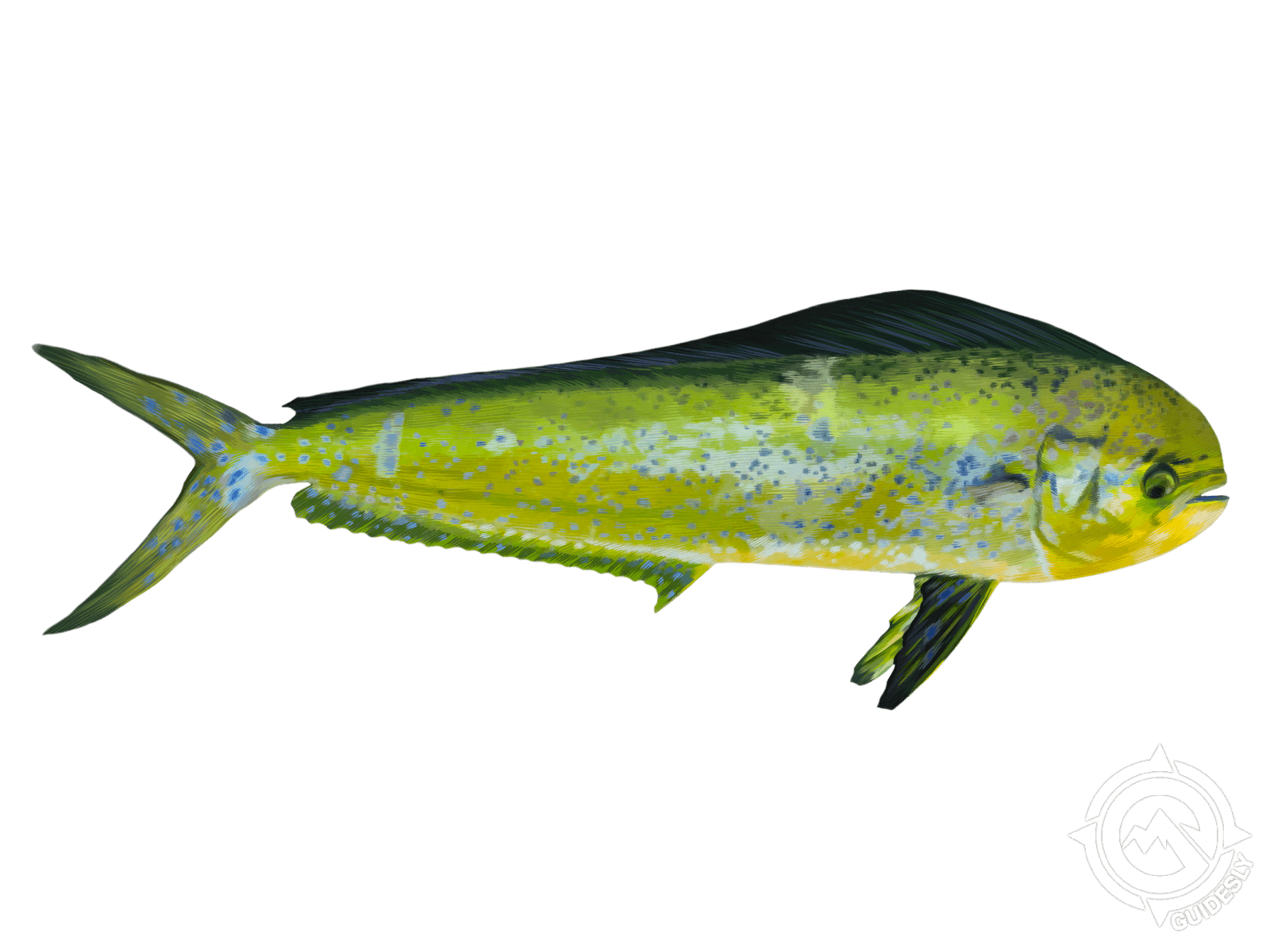
The Mahi Mahi or common dolphinfish, also known as the dorado, are distinctive because of the play of colors on their bodies. Their sides are golden, with splotches of bright blue and green on the back and sides, and pectoral fins a shimmering blue, and underwater they can boast a myriad of other colors depending on where the light hits. However, once taken out of the water, they change colors drastically like a light show, before finally fading to a silver or muted yellow-grey upon demise.

The head of this fish species is also quite distinct. It is characterized by a single dorsal fin that extends from the head to the tail or caudal fin. Male Mahi Mahi have a protruding head, while the female head looks a little more rounded.
The Mahi Mahi or common dolphinfish belong to the family Coryphaenidae, with the other one being the pompano dolphinfish. The juvenile common dolphinfish are often mistaken for the pompano as the latter are quite small. One way to distinguish them is to look at the pectoral fins. The pectoral fins of the common dolphinfish are longer compared to that of the pompano. They also differ in color once out of the water. The common dolphinfish will look a little more yellow, while the pompano will sport a more prominent silver.
Why are Mahi Mahi called Dolphin Fish?
The confusion over the name Mahi Mahi started in Hawaii. The answer to why lies in the history of the Hawaiian Islands where this fish species was first discovered. In Hawaii, mahi mahi means very strong or strong-strong and fisherman referred to the fish as Mahi Mahi. That phrase caught on and the fish went from Mahi to Mahi Mahi and sometimes spelt Mahi-Mahi. It is also referred to as "dorado," However, when mahi-mahi made its way to the US mainland, it was commonly referred to as "dolphin fish." This led to confusion among consumers who thought they were buying or eating meat from actual dolphins.
There are a couple of local stories as to how that happened. It is believed that early American fishermen visiting Hawaii heard locals referring to the fish as "mahi-mahi," mistook it for a reference to dolphins and started calling it "dolphin fish." A second theory suggests that mahi-mahi's long dorsal fin may be responsible for its common name. But the Mahi Mahi, Dophinfish, Dorado is not related to Dolphins in any way.
Why are Mahi Mahi called Dorado?
Mahi Mahi are also known as Dorado, which means golden in Spanish. This name is derived from their distinctive golden-yellow coloration, which is most prominent when the fish is removed from the water. When they are in the water, their coloration is more blue and green. The name Dorado is commonly used in Latin America, occasionally in Hawaii and is also used in other parts of the world where Spanish is spoken.
Is Mahi Mahi Good to Eat?
This fish is found in tropical and subtropical waters around the world and has become popular due to its mild taste and firm texture. But the question remains - is mahi mahi a good fish to eat? Yes, Mahi-Mahi is a popular food to eat, especially in coastal regions where it is readily available. It is a firm, white-fleshed fish that has a mild, sweet flavor, which makes it appealing to a wide range of tastes. It is also a versatile fish that can be prepared in a variety of ways, including grilled, baked, fried, or broiled. In many parts of the world, Mahi-Mahi is used as a substitute for other popular fish species such as tuna or swordfish. It is a healthy fish that is rich in protein, omega-3 fatty acids, and other important nutrients. Overall, Mahi-Mahi is a popular and delicious fish that is enjoyed by many people around the world.
When it comes to taste, many people enjoy mahi mahi because it has a mild flavor that isn't too overpowering. Its flesh is typically white with pinkish hues and has a slightly sweet taste compared to other types of fish. When prepared properly, it can be a flavorful and satisfying meal. Some people describe its flavor as being similar to that of swordfish or tuna, but with a slightly milder flavor profile. The versatility of Mahi-Mahi also makes it a popular choice for a range of cuisines, from Caribbean to Asian. Overall, if you enjoy seafood, there is a good chance you will find Mahi-Mahi to be a tasty and enjoyable fish to eat.
Mahi Mahi Size and Diet
The Mahi Mahi or common dolphinfish do not live long, with some reaching five years but rarely exceeding four. They, however, spawn all year long and mature quite quickly, making their population quite strong and stable. The average size for the Mahi-Mahi is 39 inches, weighing from 15 to 29 pounds. The Mahi-Mahi world record is 87 pounds.
The Mahi Mahi are carnivorous and are known as great swimmers, making them fantastic predators. They are not very particular with what they eat, though they do adapt as they mature. The juveniles of this fish species feed on crustaceans, while the adults focus on bony fishes. They are quite partial to the flying fish. They feed mostly during the day.
Interesting Facts About the Mahi Mahi or Common Dolphinfish
- This fish species mature quickly at three to four months. They practice broadcast spawning, a reproductive behavior wherein both females and males release their respective eggs and sperms into the same water column. This practice apparently guarantees a better chance of fertilization.
- Female Mahi Mahi spawn two to three times annually. In their lifetime, they can produce millions of eggs.
- Big consumers of this fish species: the United States and the Caribbean. The Japanese, Hawaiian, and Australian markets are also significant.
- If you're catching a Mahi-Mahi to eat, make sure to store it with lots of ice before you clean it. This serves two purposes: it keeps your fish fresh, and it makes cleaning much easier.
- The flesh of the Mahi-Mahi is similar to that of the swordfish. It tastes best pan-fried, grilled, roasted, or simmered in sauce. Because its flesh is firm, it is also good to cook it over wood or coal.
- The Mahi-Mahi is also has a small instance of ciguatera poisoning, which is caused when the toxins from Gambierdiscus toxicus are consumed by the fish accidentally and grow in their bodies through time.
Fishing Technique: How to Catch Mahi Mahi or Common Dolphinfish
The common dolphinfish are prized both as game fish and as commercial species. Anglers love fishing for them because they are quite stunning to look at and can also make great food.
When fishing for the common dolphinfish, one should look for an area that has a lot of floating debris by the edge of the reef, as this fish species are attracted to such. Also, anglers should keep a look out for frigate birds trolling any floating debris as they can take you to some big catch.
This fish species can be caught with trolling near weedlines, floating debris, and currents. If you choose to do so, make sure you employ the use of 30- to 50-pound class rods and reels. With trolling, you can use live bait (ballyhoo or squid are most recommended) or artificial lures. Make the bait skip on the surface of the water to excite the common dolphinfish (they love a good flying fish for their meal, after all).
The common dolphinfish are quite strong swimmers and are quite hard to reel in, so anglers will do well with an equally strong tackle, and perhaps another one for back-up just in case the one you're using breaks off while you're reeling this strong fish in.
Is a Mahi Mahi a Tuna?
No, Mahi-Mahi, also known as dolphin fish, is not a type of tuna. Mahi-Mahi is a species of fish in the Coryphaenidae family, while tuna belongs to the Scombridae family. Although both Mahi-Mahi and tuna are popular fish to eat, they have different characteristics and are not closely related. Mahi-Mahi has a mild and sweet flavor with a firm texture, while tuna has a more robust and meaty flavor with a soft and flaky texture. Additionally, Mahi-Mahi is typically found in warmer waters, while tuna can be found in a wider range of habitats.
Why is Mahi Mahi called Dolphin?
There has been some confusion regarding whether or not mahi mahi is a dolphin. Mahi-Mahi is sometimes referred to as a dolphin or more likely, a dolphin fish, because of its similar appearance to the mammal dolphin. While both species share similar physical characteristics such as their long dorsal fins and bright colors, they are distinctly different animals. Mahi mahi belongs to the Coryphaenidae family of fish, while dolphins belong to the Delphinidae family of mammals. However, it's important to note that Mahi-Mahi is not related to dolphins in any way.
It's important to clarify this misconception because many people avoid eating mahi mahi due to their belief that it's related to dolphins. In reality, consuming responsibly sourced and properly prepared mahi mahi can be a healthy and sustainable choice for seafood lovers.
Is Mahi Mahi Safe to Eat?
When it comes to questions about its safety as a food source, many people are left wondering whether it's safe to eat or not. In general, mahi-mahi is considered safe to consume, but there are some risks associated with eating this fish that must be taken into account.
One of the main concerns regarding mahi-mahi consumption is the risk of ciguatera. Ciguatera is a type of food poisoning caused by eating fish that have consumed toxic algae. Mahi-mahi can be a carrier of this toxin if they have eaten smaller reef fish that were contaminated with ciguatoxins. Symptoms of ciguatera include vomiting, diarrhea, and neurological symptoms such as tingling sensations in the fingers and toes. While ciguatera is most commonly associated with reef fish such as barracuda and snapper, it can also affect pelagic species like mahi mahi.
Where do Mahi Mahi Live? Habitat and Distribution
This surface-dwelling fish species are typically found under floating objects. Sometimes those floating objects are floating sargassum, and sometimes they can even be ships.
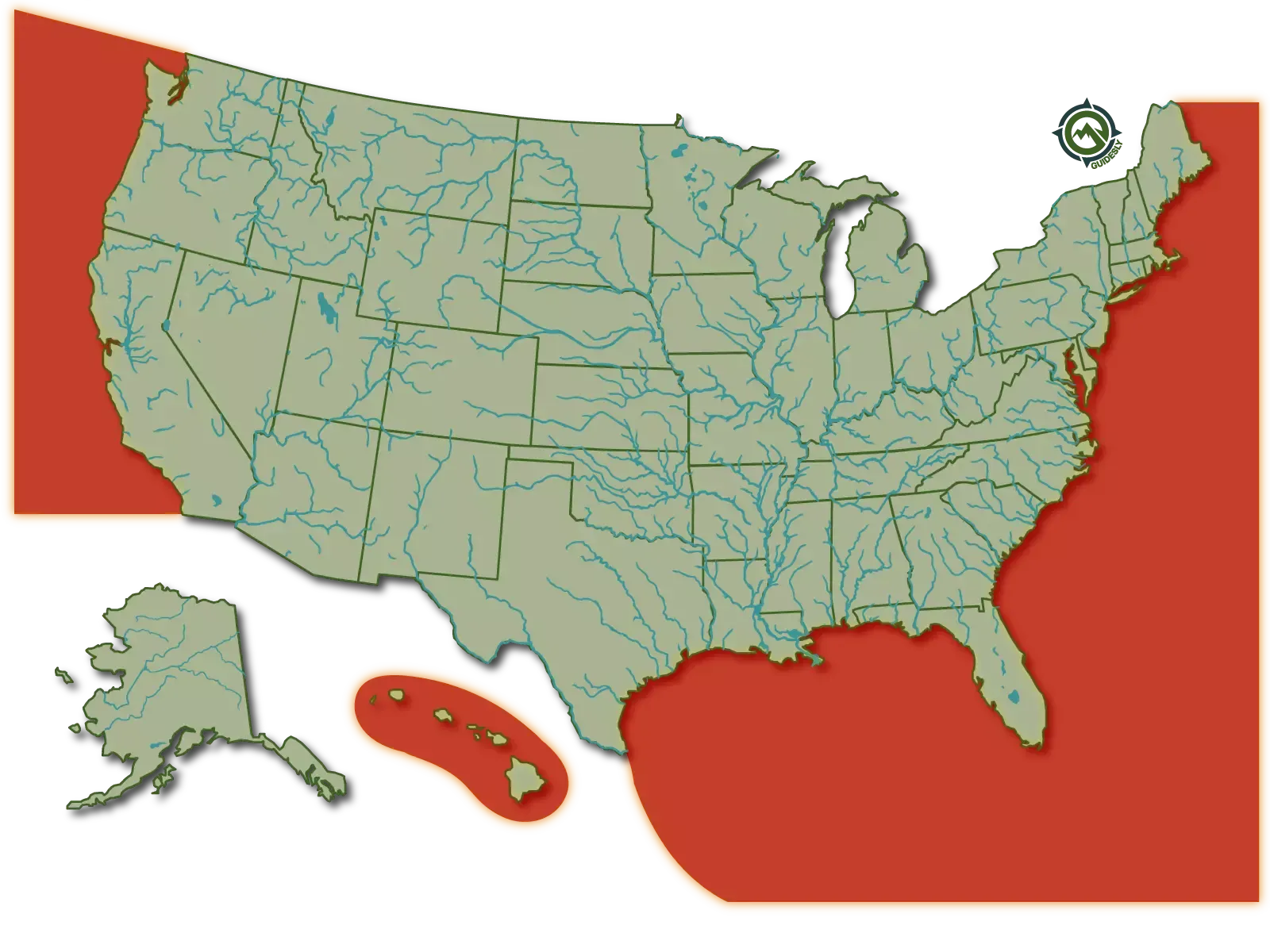
The common dolphinfish are found worldwide in warm and temperate waters, distributed along the Atlantic, Pacific, and Indian Oceans. They occur in both the western parts (particularly the Sea of Japan, around the Philippine Islands, and Taiwan) and eastern parts (from the Oregon and Californian coasts to Peru) of the Pacific Ocean. In the warmer waters of Southern California, their population is quite abundant, particularly in Newport Beach San Diego, Long Beach, and Dana Point. In the Atlantic coast, they are found in Florida, particularly Miami, West Palm Beach, and the Keys.
About the 34' Regulator
%2F%2Fusers%2F29be6dad-9dff-4a90-8e60-bfe903eef72e%2Fvehicle_picture%2Fimage-2025-01-23t193313.123.png&w=1920&q=75)
Vehicle Guest Capacity: 6
Manufacturer Name: Yamaha
Maximum Cruising Speed: 43
Number of Engines: 2
Horsepower per Engine: 300

They know where the fish are and how to hook em! I've never seen a captain or a mate work so hard to ensure that we got fish! You can tell these guys are locals as they know exactly where to go and what's needed to get fish in the box, I'd absolutely recommend these guys if you want results!