Catch Mutton Snapper Islamorada with George Proenza
Mutton Snapper Fishing in Islamorada - What to Expect

Fishing Charter by Captain George Proenza in May
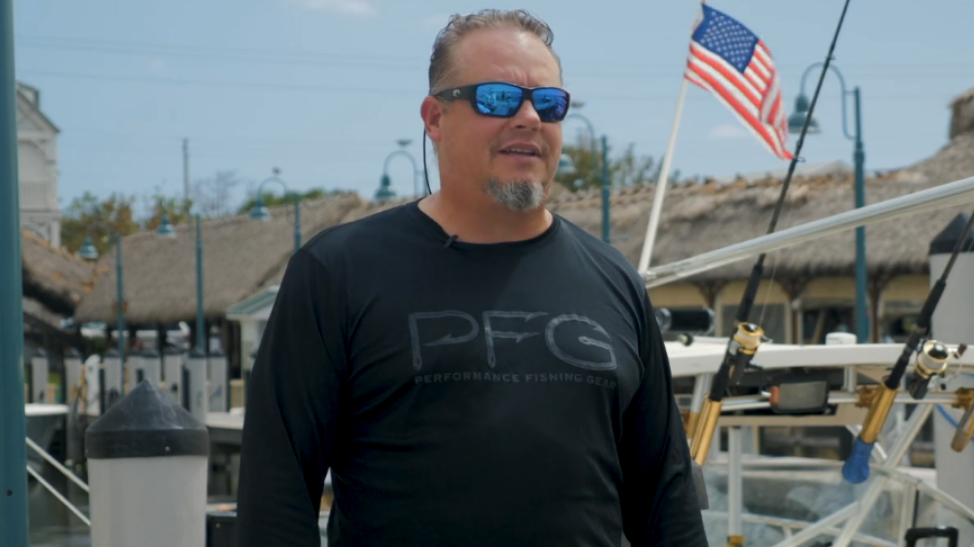
- Thrilling Catches In Islamorada Fishing Charters!


Summary
This fishing charter in Islamorada on Wednesday, May 7th delivered a solid mutton snapper catch displayed proudly on deck. Captain George Proenza of Kekoa Charters guided the action, showcasing what makes this Florida Keys location a premier destination for snapper fishing and deep water pursuits.
Fishing with Captain George Proenza - Rates & Booking
Captain George Proenza of Kekoa Charters on Wednesday, May 7th delivered the kind of results that keep anglers coming back to Islamorada. This fishing charter showcases the consistent quality and deep local knowledge that define a day on the water with an experienced captain in Florida's premier fishing grounds.
Booking a fishing charter with Kekoa Charters puts you on a vessel captained by someone who understands the seasonal patterns, reef structure, and fish behavior around Islamorada. The experience is built around real success on the water rather than promises. To reserve your charter or discuss rates, contact Kekoa Charters directly to check availability and customize your fishing day.
Highlights of Your Fishing Charter
Landing a mutton snapper on a dedicated fishing charter represents exactly what this location is known for. These fish are strong fighters that reward anglers with serious action and a memorable battle. The experience of working a snapper from the deeper waters around Islamorada connects you directly to what makes this destination special among Florida Keys fishing destinations.
The calm deck presentation of the catch tells the story of a well-executed day. The ability to locate fish, work the conditions, and successfully bring them to boat is what separates a guided fishing experience from just being on the water. This is the result you can expect when working with a seasoned captain who knows the area.
Local Species Insights: Mutton Snapper
Mutton snappers thrive in the deeper reef structures and ledges surrounding Islamorada, making them a prime target for anglers willing to venture into slightly deeper water. These fish typically hold around 40-80 feet where hard bottom, reef, and wreck structures provide both habitat and hunting grounds. They respond to live bait presentations and will aggressively pursue well-placed offerings in their territory.
What makes mutton snappers compelling targets is their combination of size, strength, and intelligence. They do not come easily. A fish worth 10-15 pounds or more will test your tackle, your technique, and your endurance. The fight is real and memorable. They are also excellent eating, making them valuable both as a sporting challenge and as a quality table fish. The presence of mutton snappers in the catch reflects good timing, proper reef location, and fishing tactics that work in the Keys.
The Islamorada area benefits from proximity to multiple reef systems, offshore ledges, and well-established fishing grounds. The water depth, current patterns, and bait availability create conditions where mutton snappers congregate consistently. This is not luck. This is a location that produces for anglers who know how to work it. A captain with years of experience in these waters can read conditions and position you where the fish are actively feeding.
The environmental factors that attract mutton snappers to Islamorada also support a broader ecosystem of desirable game fish. The same deep structure that holds snappers also holds grouper, kingfish, and other species depending on season and conditions. This diversity keeps fishing interesting and gives your charter flexibility to pursue what is biting on any given day.
Fishing in Islamorada, FL: Mutton Snapper
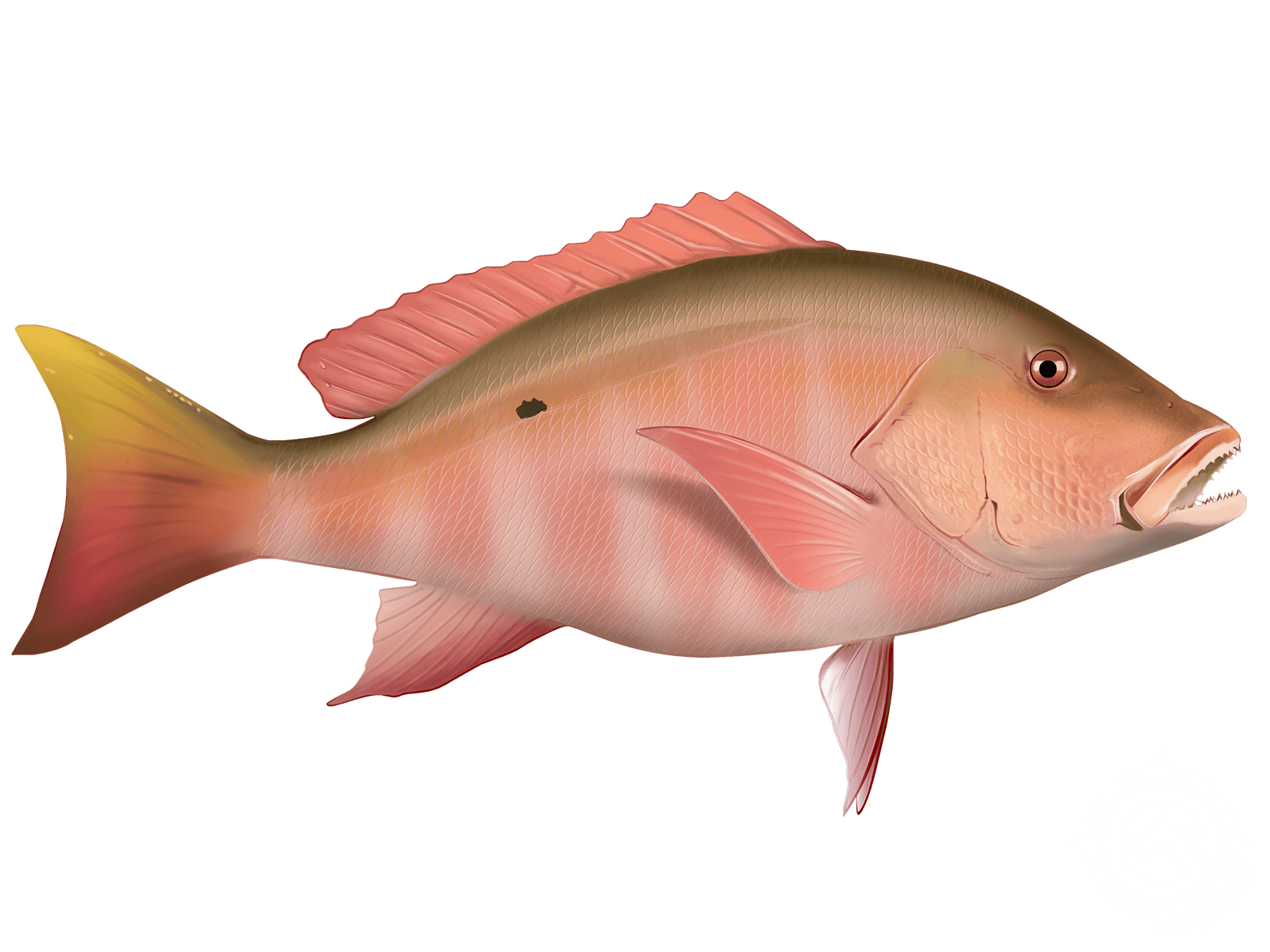
Mutton Snapper (Lutjanus analis) is a highly prized game fish belonging to the family Lutjanidae and order Perciformes. These impressive saltwater fighters are instantly recognizable by their olive coloration that transitions from dark to light tones, combined with striking blue streaks beneath and behind their eyes and a distinctive small black spot on each flank. Found throughout the Caribbean and along coastal waters from Florida to South America, the Mutton Snapper represents one of the most exciting and rewarding catches for both recreational and experienced anglers alike.
Mutton Snapper Overview
The Mutton Snapper stands out as one of the most sought-after species in saltwater fishing communities. Known as "nice fighters" relative to other snapper species, these fish are incredibly durable and aggressive, making them an ideal target for anglers using lighter tackle. What makes them particularly special is their resilience and the thrilling battle they put up when hooked. Whether you're fishing in the shallow backcountry or deep reef structures, the Mutton Snapper delivers an unforgettable experience. Their popularity stems not only from their fighting prowess but also from their excellent table quality and the challenge they present even to seasoned anglers.
Mutton Snapper Habitat and Distribution
Mutton Snappers are particularly widespread throughout the Caribbean, inhabiting diverse reef environments from inshore to nearshore depths. These fish are commonly found from Florida to South America, with occasional sightings as far north as Massachusetts and south to southeastern Brazil. The species typically frequents depths ranging from 82 to 295 feet, though most anglers find them concentrated between 130 to 230 feet. They display remarkable habitat versatility, thriving near mangrove-lined inlets with strong tidal flow, along sandy areas adjacent to rock and coral formations, and in nearshore reef systems. Adult Mutton Snappers show a preference for rocky or coral-laden structures, while younger adolescent fish tend to inhabit sandy environments with progressive seagrass coverage. Around popular fishing destinations in South Florida, the Mutton Snapper can be found congregating just outside extreme reef formations where sandy bottoms meet hard structure.
Mutton Snapper Size and Weight
Adult Mutton Snappers can develop into substantial fish, with specimens reaching up to 37 inches in length, though most catches typically range around 20 inches. For typical angling purposes, expect to land fish weighing between 5 to 15 pounds, with the species capable of reaching recorded weights of up to 34 pounds under optimal conditions. The size variation is partly influenced by habitat quality and food availability, with larger specimens generally found in deeper reef systems and areas with abundant prey.
Mutton Snapper Diet and Behavior
The feeding habits of the Mutton Snapper evolve significantly throughout its life cycle. As larvae, these fish sustain themselves on plankton near the water's surface before transitioning to shallow grass beds as they mature, where they consume larger plankton and small organisms. Once reaching adulthood, their diet expands to include fish, shrimp, crabs, octopus, squid, and snails—making them opportunistic predators. A fascinating behavioral trait is their lack of specific feeding schedules; Mutton Snappers nourish themselves both day and night, continuously picking food items throughout daylight hours. Another intriguing characteristic is their color-adaptive ability: when inhabiting sandy areas, their typically pinkish coloration shifts to a more greyish tone. Adult Mutton Snappers are generally solitary creatures, typically observed in smaller groups rather than large schools, which explains why encounters with multiple fish in one location are particularly exciting for anglers.
Mutton Snapper Spawning and Seasonal Activity
While Mutton Snappers remain relatively active throughout the year, their reproductive cycles and seasonal movements align with broader snapper biology within tropical and subtropical waters. These fish tend to congregate in certain areas during specific seasons, though detailed spawning timelines require localized knowledge. Spring and early summer typically represent peak activity periods when Mutton Snappers move into shallower waters and become more aggressive feeders. Understanding local migration patterns in your fishing area—whether around South Florida reefs or other Caribbean hotspots—can significantly improve your success rates. Many experienced anglers report enhanced catches during periods of moderate weather conditions and during slack tide transitions when baitfish activity increases.
Mutton Snapper Techniques for Observation and Capture
Method 1: Live Bait Drifting. The most effective approach involves using the freshest bait available presented with a light sinker or knocker rig that allows natural movement in the current. When fishing shallow waters, drift your bait through chum slicks using minimal weight—Mutton Snappers absolutely love this presentation. The key is maintaining proper bait quality and compensating for water movement through slow, rhythmic bobbing motions. Watch for subtle takes and be prepared for explosive runs into nearby structure. Around Florida's backcountry systems and reef areas, this technique consistently produces quality strikes.
Method 2: Chumming and Surface Activity. Establishing a productive chum line brings Mutton Snappers to the surface where they become vulnerable to flies and jigs. Start your chum slick well before fishing and maintain consistent application. This method is particularly effective during calm conditions when you can see the fish approaching your bait. As they rise through the water column, you'll notice that telltale pinkish tinge appearing in the blue water—this is your signal to prepare for the hookset.
Method 3: Jig and Knocker Rigs. Employing a jig with a knocker rig allows your bait to float naturally in the current while maintaining contact with the bottom structure. This versatile approach works in both shallow and deeper waters. The rocking motion created by water movement often triggers aggressive strikes. Once hooked, expect the Mutton Snapper to make a determined run along the ocean floor or back toward reef structure, requiring steady pressure and quality tackle to successfully land your prize.
Mutton Snapper Culinary and Utilization Notes
The Mutton Snapper earns its popularity not just among anglers but also in the culinary world. With good odds for food quality, this species delivers excellent eating experiences with mild, flaky white flesh that takes well to various cooking methods. The flesh is firm enough to hold together during grilling, blackening, or pan-searing, while its subtle flavor profile allows for diverse preparation styles from simple seasoning to complex sauce pairings. From a nutritional standpoint, Mutton Snapper provides excellent protein content along with beneficial omega-3 fatty acids. The sustainability of the species varies by region and season, so check local regulations before keeping your catch. Many anglers practice catch-and-release to maintain healthy population levels, particularly in areas with established management protocols.
Mutton Snapper Frequently Asked Questions
Q: What is the best bait and presentation for catching Mutton Snapper?
A: Fresh bait is absolutely critical—use live or freshly dead shrimp, mullet, or squid presented on a light sinker or knocker rig. The presentation method matters as much as bait quality; allow your bait to drift naturally in the current rather than sitting statically on bottom. Many successful anglers use a slight bobbing motion to simulate struggling prey and trigger strikes.
Q: Where can I find Mutton Snapper near popular fishing destinations?
A: Mutton Snappers inhabit reef systems from inshore to nearshore depths, typically between 130 to 230 feet. Around South Florida and Caribbean locations, focus on areas where sandy bottoms meet hard reef or rock structure, particularly near inlets with strong tidal flow. Mangrove-lined backcountry areas also hold excellent populations, especially juveniles.
Q: Is Mutton Snapper good to eat?
A: Absolutely. Mutton Snapper offers excellent table quality with mild, flaky white flesh that's versatile in the kitchen. Grill it whole, blacken fillets, or use in ceviche—the meat's firmness and subtle flavor work beautifully with various preparations. Check local regulations regarding size and bag limits before keeping your catch, as conservation measures vary by region.
Q: When is the best time to catch Mutton Snapper?
A: Spring through early summer typically offers peak activity, when Mutton Snappers move into shallower waters and feed more aggressively. However, these fish remain catchable year-round in their preferred depth ranges. Periods of moderate weather and slack tide transitions often produce the best results, as baitfish activity increases during these windows.
Q: How do I distinguish Mutton Snapper from similar species like Lane Snapper?
A: Look for the distinctive blue streaks beneath and behind the eyes—Mutton Snappers display these striking markings prominently. Additionally, examine the rear edges of the anal and dorsal fins; Mutton Snappers have pointed rear edges, while Lane Snappers appear more rounded. The small black spot on each flank is also a reliable identifier.
Q: What tackle setup do I need for Mutton Snapper?
A: These are solid fighters known for aggressive runs and structure-seeking behavior, so use quality medium-weight spinning or conventional gear with sufficient line capacity (at least 200+ yards of 15-20 pound test). Given their tendency to run toward reef and rocky structures, reliable drag systems and sturdy rods designed for reef fishing will significantly improve your landing success rates and overall fishing experience.